
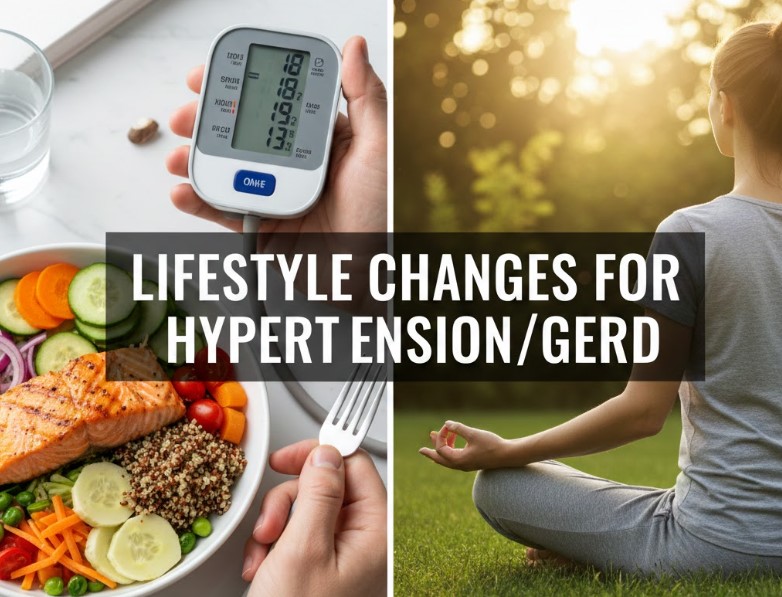
Are you looking for powerful, natural ways to take control of your well-being? If you’re managing or at risk for hypertension/GERD (high blood pressure and Gastroesophageal Reflux Disease), the good news is that lifestyle changes for hypertension/GERD are the cornerstone of effective management.
While these two conditions affect different systems, the cardiovascular system and the digestive system, they are surprisingly linked by common risk factors and, crucially, by similar, effective lifestyle modifications.
This extensive guide will delve into the critical, science-backed adjustments you can make to your daily routine to dramatically improve your health and quality of life.
Making key lifestyle changes for hypertension/GERD can be the difference between relying heavily on medication and achieving optimal, drug-free or low-dose control over these chronic conditions.
The proactive adoption of significant lifestyle changes for hypertension/GERD is more than just a recommendation; it’s often the first line of defense and a vital component of long-term treatment.
For high blood pressure (hypertension), non-pharmacological interventions can lower systolic blood pressure by significant amounts, potentially moving you out of the hypertensive range entirely.
For GERD, which is characterized by frequent heartburn and acid reflux, dietary and behavioral adjustments can reduce the frequency and severity of symptoms, often healing the esophageal lining.
Throughout this article, we’ll explore the specific, actionable steps you can take across five major domains: Dietary Modifications, Weight Management, Physical Activity, Stress Reduction, and Behavioral Adjustments.
Dietary Modifications: Fueling a Healthier You
Dietary intervention is arguably the single most powerful component of lifestyle changes for hypertension/GERD. The food and drink we consume directly impact blood pressure regulation and the acidity and mechanical function of the digestive tract.
By strategically adjusting your intake, you can provide your body with the nutrients it needs to lower blood pressure naturally while simultaneously reducing the triggers that cause painful acid reflux.
This section dives deep into the specific, evidence-based dietary adjustments that form the foundation of successful management for both conditions.
Embracing Sodium Reduction
Sodium is an essential mineral, but the typical modern diet contains far too much, making sodium reduction a critical lifestyle change for hypertension/GERD. High sodium intake causes the body to retain fluid, which increases the volume of blood circulating through your arteries.
This added volume forces the heart to pump harder, increasing pressure on the artery walls and contributing directly to hypertension.
Furthermore, while the primary link is with blood pressure, some research suggests that high salt intake may also increase acid secretion in the stomach and potentially worsen GERD symptoms in sensitive individuals.
The gold standard recommendation is to limit daily sodium intake to less than 2,300 milligrams (mg), but for maximum blood pressure benefit, and for individuals with established hypertension, aiming for 1,500 mg per day is ideal.
Achieving this means drastically reducing reliance on highly processed foods, canned soups, fast food, and many restaurant meals, as over 70% of the sodium consumed comes from these sources, not the salt shaker on your table.
Adopting the DASH Eating Plan
The Dietary Approaches to Stop Hypertension (DASH) eating plan is not a trendy fad diet; it is a scientifically proven, flexible, and sustainable eating pattern designed to lower high blood pressure.
This plan emphasizes a diet rich in fruits, vegetables, whole grains, and lean proteins, which naturally provides high levels of potassium, calcium, and magnesium, minerals that are crucial for balancing sodium and regulating blood pressure.
The DASH diet specifically encourages reduced intake of saturated and total fats, cholesterol, and sugars. This pattern is beneficial for GERD as well because it emphasizes whole, unprocessed foods and limits fatty meats and high-sugar processed snacks, which are often GERD triggers.
By focusing on increasing consumption of foods naturally high in fiber and micronutrients, the DASH diet supports not only cardiovascular health but also overall digestive function, making it an excellent dual-purpose dietary strategy for lifestyle changes for hypertension/GERD.
Maximizing Potassium, Magnesium, and Calcium
While reducing sodium is about elimination, increasing the intake of specific minerals is about adding beneficial elements to your diet. Potassium, magnesium, and calcium play vital roles in regulating blood pressure by promoting vascular relaxation and helping the body excrete excess sodium.
Potassium, in particular, counters the effects of sodium by relaxing the walls of the blood vessels. Excellent sources of potassium include bananas, sweet potatoes, spinach, beans, and lentils. Magnesium is important for blood vessel health and can be found in nuts, seeds, and leafy greens.
Calcium, often associated with bone health, is also instrumental in the contraction and relaxation of blood vessels; incorporate low-fat dairy or fortified non-dairy alternatives.
Ensuring adequate intake of these three minerals, primarily through whole foods, is a powerful component of non-pharmacological blood pressure control and integral to successful lifestyle changes for hypertension/GERD.
Limiting Saturated and Total Fats
Restricting the intake of saturated and total fats is a crucial dietary modification that addresses both conditions simultaneously. Diets high in saturated fat and cholesterol are strongly linked to the development of atherosclerosis (hardening of the arteries) and hypertension.
By limiting fatty cuts of meat, full-fat dairy, and processed foods, you reduce the risk of cardiovascular complications. For GERD sufferers, fat plays a more immediate role: fatty meals take significantly longer to digest, increasing the time food remains in the stomach, which elevates gastric pressure.
More importantly, high-fat foods directly cause the Lower Esophageal Sphincter (LES), the muscle that prevents reflux, to relax, allowing stomach acid to easily reflux into the esophagus.
Switching to lean proteins, choosing healthier fats like those found in avocados and nuts, and opting for low-fat dairy are necessary lifestyle changes for hypertension/GERD.
Identifying and Eliminating Acid Reflux Triggers
While some foods are universally problematic for GERD, a successful reflux diet hinges on identifying and eliminating an individual’s specific trigger foods. Common culprits include highly acidic foods such as citrus fruits (oranges, lemons) and tomato products, which can irritate an already inflamed esophageal lining.
Caffeine and chocolate are notorious because they directly cause the LES muscle to relax. Peppermint and spearmint, surprisingly, also relax the LES.
Finally, spicy foods are known to irritate the esophageal tissue, intensifying heartburn symptoms. It’s essential to keep a food diary to correlate specific foods with symptom flare-ups, allowing you to systematically remove personal triggers while maintaining a nutrient-dense diet.
This targeted removal of irritants is a foundational lifestyle change for hypertension/GERD that brings immediate symptomatic relief.
Moderating or Eliminating Alcohol and Caffeine
Both alcohol and caffeine present a significant challenge for individuals managing both hypertension and GERD, necessitating significant moderation or complete elimination.
Alcohol consumption raises blood pressure through several mechanisms, including interference with blood pressure medications and stimulation of hormones that cause blood vessel constriction.
Furthermore, alcohol is a potent trigger for GERD because it causes the LES to relax and stimulates the stomach to produce more acid. Similarly, caffeine, found in coffee, some teas, and sodas, can elevate blood pressure temporarily and, crucially for GERD, also relaxes the LES.
For individuals committed to the comprehensive lifestyle changes for hypertension/GERD, reducing alcohol intake to less than one standard drink per day (for women) or two (for men), and experimenting with switching to decaffeinated beverages, can yield substantial improvements in both blood pressure readings and reflux control.
Choosing Non-Irritating Beverages
The choice of beverage is an often-overlooked area for those making lifestyle changes for hypertension/GERD. While adequate hydration is essential for overall health and blood circulation, many popular drinks can undermine management efforts.
Highly carbonated beverages (soda, sparkling water) introduce gas into the stomach, increasing internal pressure and forcing open the LES, leading to reflux. Juices, especially citrus varieties, are highly acidic and should be avoided during flare-ups.
The best choices are non-acidic, non-carbonated options: plain water is always ideal. Herbal teas, excluding peppermint, can be soothing. For individuals with GERD, plain, non-acidic liquids are the safest bet for staying hydrated without causing stomach distension or irritation.
Focusing on Whole Grains and Fiber
The DASH diet strongly advocates for whole grains and high-fiber foods, a recommendation that benefits both hypertension and GERD. Dietary fiber helps lower blood pressure by reducing cholesterol levels and improving insulin sensitivity, which is intrinsically linked to cardiovascular health.
Furthermore, whole grains like oats, brown rice, and whole-wheat bread are generally less likely to cause reflux than refined grains.
Fiber also aids in promoting regular bowel movements, preventing constipation and the associated straining, which can increase abdominal pressure and trigger GERD symptoms.
Incorporating fiber-rich foods ensures a sense of satiety, aiding in weight management, which is a key overarching lifestyle change for hypertension/GERD.
Weight Management: Less Weight, Less Strain
Managing a healthy body weight is a profoundly effective strategy among the lifestyle changes for hypertension/GERD.
The relationship between excess weight, particularly obesity, and the development or worsening of both high blood pressure and acid reflux is well-established, making weight loss and maintenance a critical focus area.
Achieving even a moderate reduction in body weight can significantly alleviate the symptoms and physiological drivers of both conditions.
The Hypertension-Obesity Link: Increased Cardiac Workload and Vascular Resistance
Excess weight, especially fat stored around the abdomen (visceral or abdominal obesity), directly contributes to hypertension through several complex mechanisms. Firstly, a larger body mass requires a greater volume of blood to supply oxygen and nutrients to tissues, increasing the cardiac workload.
The heart has to pump more blood volume, which naturally increases the pressure exerted on the artery walls.
Secondly, adipose tissue (body fat) is not merely inert storage; it is metabolically active and releases hormones (like leptin and angiotensinogen) and inflammatory substances.
These substances can lead to the constriction (narrowing) of blood vessels and promote sodium retention, both of which increase vascular resistance and ultimately elevate blood pressure.
The more significant the excess weight, the more pronounced these effects become. Losing even a small amount of weight, a reduction of 5% to 10% of total body weight, can lead to clinically meaningful drops in both systolic and diastolic blood pressure, often complementing or reducing the need for antihypertensive medications.
The GERD-Obesity Link: Mechanical Compression and Lower Esophageal Sphincter Strain
For individuals dealing with GERD, the link with excess weight is largely mechanical. Abdominal obesity creates significant intra-abdominal pressure. This excess internal pressure acts like a constant external squeeze on the stomach.
When the stomach is compressed, its contents, including gastric acid, are physically forced back up through the Lower Esophageal Sphincter (LES).
The LES is a ring of muscle that acts as a valve between the esophagus and the stomach; its job is to relax to let food in and contract to keep acid down. Increased abdominal pressure weakens the LES over time and overpowers its ability to stay closed, leading to frequent and severe acid reflux episodes.
By losing weight, you physically reduce this external compression on the stomach, which in turn reduces the pressure against the LES, allowing it to function more effectively.
This is why weight loss is considered one of the most effective lifestyle changes for hypertension/GERD and can result in a remarkable reduction in the frequency and intensity of heartburn symptoms.
Setting Realistic Weight Loss Goals: The Power of Small Changes
The journey toward weight management should focus on sustainable, measurable, achievable, relevant, and time-bound (SMART) goals rather than rapid, extreme dieting.
The combined adoption of the recommended Dietary Modifications (like the DASH diet) and Physical Activity (regular aerobic exercise) provides the most effective pathway for long-term success. It’s important to consult with a healthcare professional to determine your current Body Mass Index (BMI) and to set a safe, realistic target weight.
Focusing on a gradual loss of 1 to 2 pounds per week through consistent caloric deficit and increased energy expenditure is the healthiest and most sustainable approach.
This gradual process not only leads to better adherence but also allows the cardiovascular and digestive systems to adjust, maximizing the positive impact of this crucial lifestyle change for hypertension/GERD.
Physical Activity: Moving Toward Better Health
Incorporating regular physical activity is a vital and powerful element among the lifestyle changes for hypertension/GERD.
Exercise serves as a natural medicine, directly impacting both the cardiovascular system and the digestive system, though each condition requires a slightly different approach to maximize benefits and minimize risks.
Integrating movement into your daily routine is essential for strengthening the heart, promoting vascular health, assisting with weight management, and reducing stress, all factors critical to managing both high blood pressure and acid reflux.
Aerobic Exercise for Blood Pressure Regulation: Strengthening the Heart
The primary benefit of physical activity for hypertension is its ability to lower blood pressure by making the heart more efficient.
Regular aerobic exercise, activities that elevate your heart rate and breathing for a sustained period, strengthens the heart muscle.
A stronger heart can pump a larger volume of blood with less effort, which means fewer beats per minute and less force exerted on the artery walls, thereby reducing blood pressure.
Furthermore, aerobic activity promotes the elasticity of your arteries and encourages the production of nitric oxide, a natural vasodilator that helps blood vessels widen, further decreasing blood pressure.
To achieve significant cardiovascular benefit, the recommendation is to aim for at least 150 minutes of moderate-intensity aerobic activity (like brisk walking or swimming) or 75 minutes of vigorous-intensity activity (like jogging or cycling) per week.
Consistency is key; breaking this time into 30-minute sessions on most days is an achievable goal within your lifestyle changes for hypertension/GERD.
Resistance Training: Complementing Cardiovascular Health
While aerobic exercise is the foundation for lowering blood pressure, incorporating resistance or strength training offers complementary benefits. Resistance exercises, such as lifting weights, using resistance bands, or bodyweight exercises (like squats or push-ups), help build muscle mass.
Muscle tissue requires more energy and improves metabolic health, which assists in weight control and enhances insulin sensitivity, both of which are indirectly beneficial for blood pressure management.
Current guidelines recommend engaging in muscle-strengthening activities at least two days a week. However, individuals with severe or uncontrolled hypertension should consult their doctor before starting intense resistance training, as lifting very heavy weights can cause temporary, significant spikes in blood pressure.
Integrating light to moderate resistance training safely complements the overall effectiveness of these lifestyle changes for hypertension/GERD.
Exercise Timing and Type for GERD Management: Preventing Reflux
For those with GERD, the timing and type of exercise are critically important to prevent painful acid reflux. Intense physical activity, particularly shortly after eating, increases intra-abdominal pressure, which can easily force acid from the stomach past a weakened Lower Esophageal Sphincter (LES) and into the esophagus.
Therefore, a key behavioral modification is to avoid engaging in vigorous exercise for at least 2 to 3 hours after a full meal. Additionally, specific exercise types should be managed.
Activities that involve significant bending over, lying flat, or strenuous abdominal compression are more likely to trigger reflux.
Opting for lower-impact, upright aerobic activities, such as brisk walking, cycling (on a stationary bike), or water aerobics, minimizes gastric compression while still providing the necessary cardiovascular benefits for your lifestyle changes for hypertension/GERD.
Flexibility and Stress Reduction Benefits: The Mind-Body Connection
Physical activity contributes significantly to managing the stress component of both conditions. Stress hormones like cortisol can transiently raise blood pressure and exacerbate GERD symptoms by increasing acid sensitivity.
Activities like Yoga and Tai Chi are particularly beneficial as they combine physical movement, controlled breathing, and meditative focus. This integration helps calm the nervous system, immediately lowering heart rate and blood pressure, and promoting overall relaxation.
Improving flexibility through gentle stretching can also reduce muscle tension often associated with chronic stress.
Utilizing physical movement not just for cardiovascular conditioning but also as a primary tool for stress reduction is an often-underestimated, yet essential, facet of effective lifestyle changes for hypertension/GERD.
Stress Reduction: Calming the Storm Within
Chronic stress is a powerful, silent antagonist to health, acting as a significant contributor to the severity and progression of both hypertension and GERD.
Therefore, effective stress reduction is not a luxury but a fundamental and non-negotiable component of successful lifestyle changes for hypertension/GERD.
Unmanaged stress triggers complex physiological responses that directly impact both the cardiovascular and digestive systems, creating a cycle that exacerbates both conditions. Learning to interrupt this cycle through deliberate, mindful techniques is essential for long-term health and well-being.
The Physiological Impact of Stress on Blood Pressure: The Sympathetic Surge
When you experience stress, your body activates the sympathetic nervous system, often known as the “fight-or-flight” response.
This response is an evolutionary mechanism designed for survival, but when constantly activated by the demands of modern life, it becomes damaging. In this state, the adrenal glands release a surge of stress hormones, primarily adrenaline (epinephrine) and cortisol.
Adrenaline causes your heart rate to increase rapidly and your blood vessels to constrict (narrow), leading to a temporary but significant spike in blood pressure.
Over time, chronic, repeated spikes and the sustained presence of cortisol can damage the delicate lining of the arteries, promote inflammation, and contribute to structural changes in the blood vessels, leading to sustained hypertension.
Effective stress management dampens this sympathetic surge, allowing the body to return to a state of parasympathetic dominance (rest and digest), which helps maintain healthy, lower blood pressure levels.
The Stress-GERD Connection: Heightened Perception and Altered Motility
Stress does not cause GERD directly, but it acts as a major amplifier of symptoms. The link is twofold. First, stress can heighten visceral sensitivity, meaning the brain becomes more attuned to pain signals emanating from the digestive tract.
An otherwise mild reflux episode that might go unnoticed can feel intensely painful and severe to someone under chronic stress. Second, stress can alter gastrointestinal motility.
In some people, stress slows down the rate at which the stomach empties (gastric emptying), increasing the volume and duration of acid exposure, making reflux more likely. In others, stress can induce spasms in the esophagus.
Furthermore, stress often leads to unhealthy coping mechanisms, such as overeating, smoking, or consuming more alcohol and caffeine, all of which are direct triggers for GERD and hypertension, completing a vicious cycle that undermines other lifestyle changes for hypertension/GERD.
Mindful Breathing and Meditation: Instant Physiological Reset
Techniques such as mindful breathing and meditation are powerful tools for achieving an instant physiological reset. Deep, slow, diaphragmatic breathing activates the vagus nerve, which runs from the brainstem to the abdomen and is a key component of the parasympathetic (rest-and-digest) nervous system.
By consciously slowing the breath, you signal to your brain that the perceived threat is gone, immediately decreasing the production of stress hormones, slowing the heart rate, and promoting vasodilation, all of which are critical for lowering blood pressure.
Mindfulness meditation, which involves focusing on the present moment without judgment, also trains the mind to disengage from worry and rumination, reducing the subjective experience of stress.
Incorporating just 10 to 15 minutes of structured meditation or focused breathing exercises daily can dramatically improve your body’s resilience to stress, serving as a powerful and accessible lifestyle change for hypertension/GERD.
Prioritizing Quality Sleep: Restoring the Body’s Balance
Adequate, high-quality sleep is an often-overlooked yet fundamental pillar of stress management and a critical lifestyle change for hypertension/GERD. When we sleep, the body naturally lowers blood pressure, a phenomenon known as “nocturnal dipping.”
Chronic sleep deprivation or poor sleep quality (e.g., due to untreated sleep apnea or insomnia) prevents this essential dip, leading to sustained, elevated blood pressure.
Furthermore, a lack of sleep elevates stress hormone levels and contributes to insulin resistance, further compounding hypertension risk. For GERD sufferers, nighttime reflux can severely disrupt sleep quality, creating a negative feedback loop.
Therefore, establishing a consistent sleep schedule, ensuring a dark and cool sleeping environment, and practicing good sleep hygiene is necessary to ensure the body can fully rest, repair, and reset its cardiovascular and hormonal systems.
Incorporating Gentle Movement: Yoga and Tai Chi
While vigorous aerobic exercise is crucial for cardiac conditioning, gentle practices like Yoga and Tai Chi provide a unique blend of physical movement, controlled breathing, and mindful relaxation that is exceptionally effective for stress reduction.
These ancient disciplines focus on slow, deliberate movements and postures held with awareness, encouraging muscular relaxation and reducing the physical manifestation of tension.
For GERD sufferers, these low-impact forms of exercise are safer than high-intensity workouts, as they typically do not involve high-impact jarring or extreme abdominal compression, allowing for stress relief without triggering reflux.
By integrating the physical benefits of movement with the mental benefits of mindfulness, Yoga and Tai Chi provide a holistic, calming lifestyle change for hypertension/GERD that promotes both physical and psychological resilience.
Conclusion
Taking charge of your health can feel daunting, but remember that even small, consistent steps can yield massive benefits.
Embracing the recommended lifestyle changes for hypertension/GERD, from adopting the DASH diet and reducing sodium to losing weight, staying active, and managing stress, will not only help control your blood pressure and soothe your digestive system but also boost your overall energy, mood, and long-term vitality.
Consult with your healthcare team to tailor these changes to your specific needs, and embark on this powerful journey toward a healthier, more comfortable life today! You hold the power to transform your health through these deliberate, positive choices.